Enamel Reshaping: Small Smile Fixes Without Veneers
How dentists smooth and reshape small amounts of enamel to fix chipped edges, uneven lengths and pointed canines, what it costs, and where its limits are.
Maybe one front tooth is a touch longer than its neighbor. Maybe there's a tiny chip on an edge that your tongue finds a hundred times a day, or your canines look sharper in photos than you'd like. Nothing is really wrong with your teeth. You'd just like them to look a little more even.
For small things like these, veneers are usually far more treatment than you need. Enamel reshaping, also called tooth contouring, recontouring, or enameloplasty, means your dentist carefully smooths and reshapes a small amount of the outer enamel to change a tooth's outline. It's quick, it rarely needs numbing, and the result shows straight away.
The catch is that enamel never grows back. So the whole skill lies in knowing exactly how little to remove, and recognizing when a different option would serve you better.
What Enamel Reshaping Can Fix
Reshaping works by taking away, never by adding. It suits problems where a tooth has a little too much of something:
- Small chips on the biting edge. The rough or jagged spot is smoothed and blended so the chip disappears or becomes far less obvious.
- Slightly uneven lengths. A front tooth that sits a little lower than the one beside it can be shortened slightly to line up.
- Pointed or prominent canines. The tip can be softened for a less sharp look.
- Minor overlaps. Where one edge slightly overlaps another, reshaping both edges can make the line look straighter.
- Bumpy edges. New front teeth have small ridges along their edges called mamelons, which normally wear flat over time. When they don't, smoothing them is a classic contouring job.
- Sharp edges that catch your tongue or lip. Often a simple comfort fix.
What it can't fix: discoloration, gaps, real crowding, or teeth that are too short. Those all need material added or teeth moved.
How the Appointment Works
Most reshaping is done in a single visit, often in under an hour even when several teeth are involved.
1. Planning. Your dentist looks at your smile at rest, while you talk, and while you smile, and checks your bite. They may take photos and, where it matters, an x-ray to see how thick the enamel is and how close the nerve sits. Some dentists mark the teeth with a pencil or build a quick mock-up so you can agree on the change before anything is removed.
2. Checking your bite. This step is easy to overlook and genuinely important. Your canines often guide your jaw when you slide it from side to side, and the edges of your front teeth take load when you bite into food. Your dentist makes sure the reshaped edges will still share that work properly.
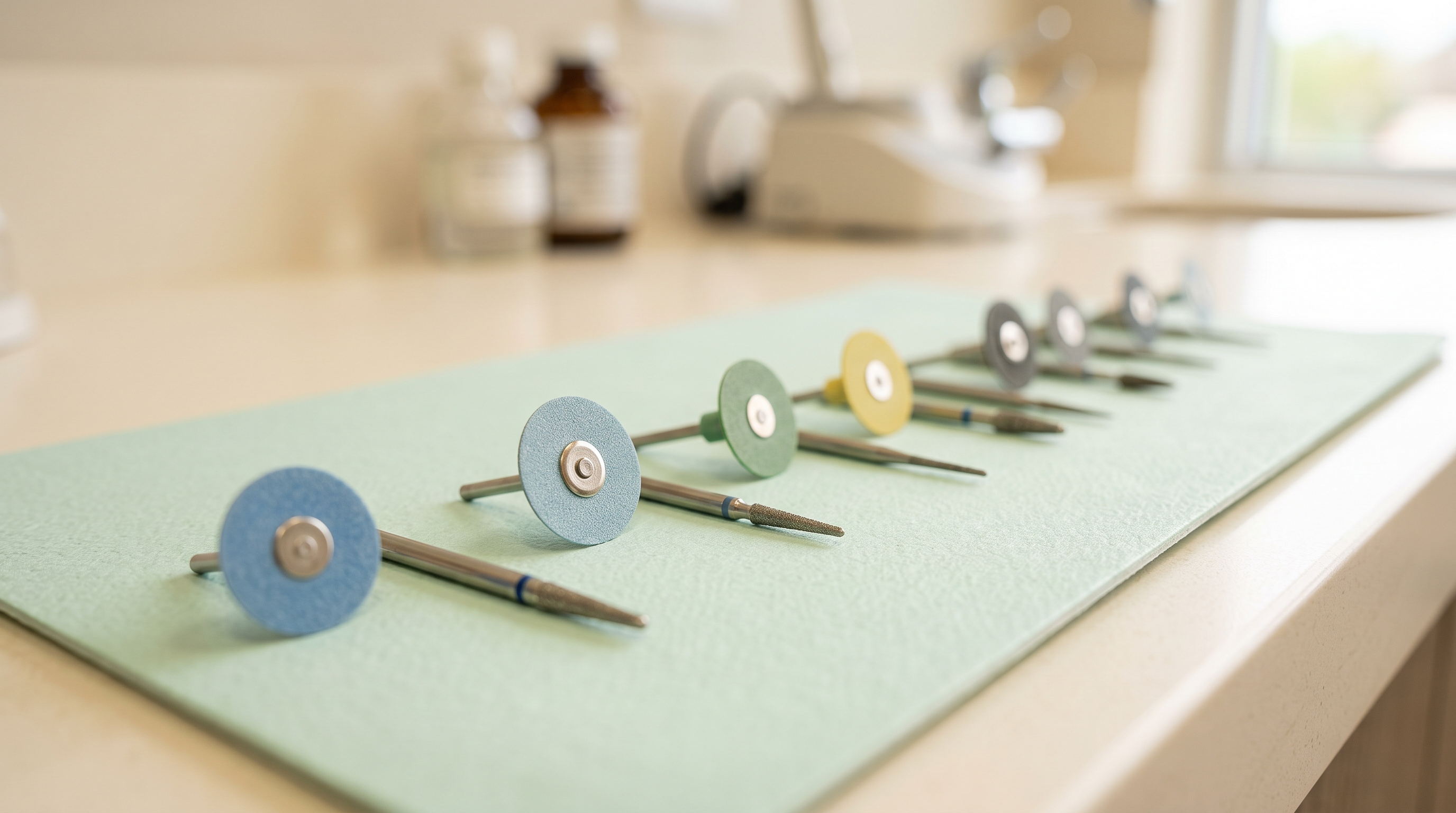
3. Reshaping. Using fine diamond instruments, sanding discs, and thin abrasive strips between the teeth, your dentist removes enamel in small steps, stopping often to look from the front, from the side, and with you smiling in a mirror.
4. Polishing. The surfaces are polished smooth so they look natural and don't collect stain. Some dentists finish with a fluoride varnish.
Does it hurt?
Usually not. Enamel has no nerves, so shaping the outer layer feels like vibration and a slightly gritty sensation rather than pain. Numbing is rarely needed. Some people notice mild sensitivity to cold for a day or two afterward.
When It's Paired With Bonding
Reshaping and bonding, where tooth-colored resin is added to a tooth and shaped by hand, are natural partners. One takes away and the other adds. A dentist might shorten a long tooth slightly and build up a short neighbor with a little resin, meeting in the middle so neither tooth needs much change. Or they might smooth the rough edge of a larger chip, then rebuild the missing corner with bonding.
If you're also planning to whiten, do that first. Reshaping doesn't change color, but any bonding added needs to match your final shade. If you're weighing the next step up, there's a fuller comparison of bonding and veneers.
The Limits You Need to Know
Enamel doesn't grow back. Whatever is removed is gone for good. That's why a careful dentist removes too little rather than too much: you can always take a bit more at a second visit, but you can never put it back.
It's for small changes only. Enamel is a thin layer, and it's thinner still toward the gum. Remove too much and the softer, yellower dentin underneath, the layer that makes up the bulk of the tooth, starts to show. That can look darker and feel sensitive.
Not everyone is a good candidate. Reshaping is usually a poor choice if your enamel is already thin from wear or acid erosion, if your teeth are very sensitive, if you have untreated decay or gum disease, or if you grind heavily and your edges are already wearing down. Grinding shortens teeth over time on its own, so shortening them further works against you.
It changes the tooth, not its position. A crowded tooth reshaped to look straighter is still crowded underneath. For anything beyond a very slight overlap, moving the teeth is usually the honest answer.
A related but separate procedure: during aligner or braces treatment, dentists sometimes remove thin slivers of enamel between teeth to make room for them to move. That's called interproximal reduction. It serves the alignment rather than the shape of your smile, but it relies on the same principle of removing only a little.
Is Reshaping Enough for Your Problem?
| Problem | Will reshaping alone work? | Better option if not |
|---|---|---|
| Tiny chip on the edge of a front tooth | Usually yes | Bonding, if smoothing would leave the tooth noticeably shorter |
| Larger chip or broken corner | No | Bonding, or a veneer or crown if a lot of tooth is missing |
| One tooth slightly longer than its neighbor | Often yes | Bonding on the shorter tooth, or both combined |
| Pointed or prominent canines | Often yes, if your bite allows | Bonding to reshape instead, if the tip helps guide your bite |
| Slightly overlapping edges | Sometimes, for very minor overlaps | A short course of aligners for real crowding |
| Bumpy or rough edges | Yes | Rarely needed |
| Gaps between teeth | No | Bonding, veneers, or aligners |
| Stained or discolored teeth | No | Whitening, bonding, or veneers |
| Teeth worn short from grinding | No | Bonding or crowns, plus a night guard |
| Crooked or rotated teeth | No | Aligners or braces, then fine tuning with reshaping if needed |
What Enamel Reshaping Costs
Enamel reshaping is one of the least expensive cosmetic treatments, commonly around $50 to $300 per tooth. Some practices charge a single fee for a short session covering several teeth. Because it's usually considered cosmetic, dental insurance often won't pay for it. Smoothing a sharp broken edge that's cutting your tongue is sometimes treated differently, so it's worth asking.
For comparison, bonding runs about $150 to $600 per tooth, direct composite veneers $250 to $1,500 per tooth, porcelain veneers $900 to $2,500 per tooth, and limited or express aligner treatment $1,800 to $3,500. If you're comparing several routes, the dental cost calculator lays out ranges side by side, and the aligners vs braces comparison helps if you're wondering whether moving the teeth would do more than reshaping them.
These are ranges, not quotes. Your location, how many teeth are involved, and whether bonding or other work is added all move the price.
Choosing Someone to Do It
Because reshaping can't be reversed, the conservative approach is the right one. A good consultation should give you:
- A clear explanation of which teeth will be changed and roughly how much
- A look at your bite, not just your smile
- A mock-up, photo, or sketch so you agree on the result before anything is removed
- An honest answer when reshaping isn't enough, rather than an attempt to force it
- A willingness to stop short and let you come back for more
Be cautious of anyone who wants to reshape healthy teeth heavily to "prepare" them for a bigger cosmetic plan you haven't agreed to.
Frequently Asked Questions
Is enamel reshaping permanent?
Yes. The enamel removed doesn't grow back, so the new shape is permanent. The flip side is that you can't undo it if you dislike the result, which is why it should be done in small, agreed steps.
Does tooth contouring weaken teeth?
Done conservatively, it removes only a thin layer and doesn't meaningfully weaken a healthy tooth. Problems come from removing too much, which can thin the edge, expose dentin, and cause sensitivity. That's why careful dentists keep changes small and check your bite as they go.
How long does tooth reshaping take?
Most sessions take under an hour, and a small change to one or two teeth can take much less. The result is visible immediately and there's no recovery time. You can eat and go back to work straight away.
Can I reshape my teeth instead of getting braces?
Only for very minor overlaps or slightly uneven edges. Reshaping changes the outline of a tooth, not its position, so it can't fix real crowding, gaps, or a bite problem. Sometimes a short course of aligners followed by light reshaping gives the best result.
Will my teeth be more sensitive after contouring?
Some people notice mild sensitivity to cold for a day or two, and it fades. Lasting sensitivity is unusual when only enamel has been shaped. If it continues beyond a week or two, let your dentist know.
Can I file my own teeth at home?
No. Nail files and DIY kits can't control how much enamel you remove, can crack edges, and leave rough surfaces that stain and trap plaque. Because enamel doesn't grow back, a mistake at home is permanent.
What to Do Next
Take a couple of photos of your smile, straight on and from the side, and note exactly what bothers you: which tooth, and what about it. Bring them to a cosmetic consultation and ask whether reshaping alone would do it, whether a little bonding would help, and what the dentist would advise against.
If the answer is that reshaping is enough, you may be one short appointment away from the change you want. If it isn't, you'll leave knowing which option is the right size for the problem.
This article is for general information only and is not a substitute for professional dental advice. Always consult your dentist about your individual needs.